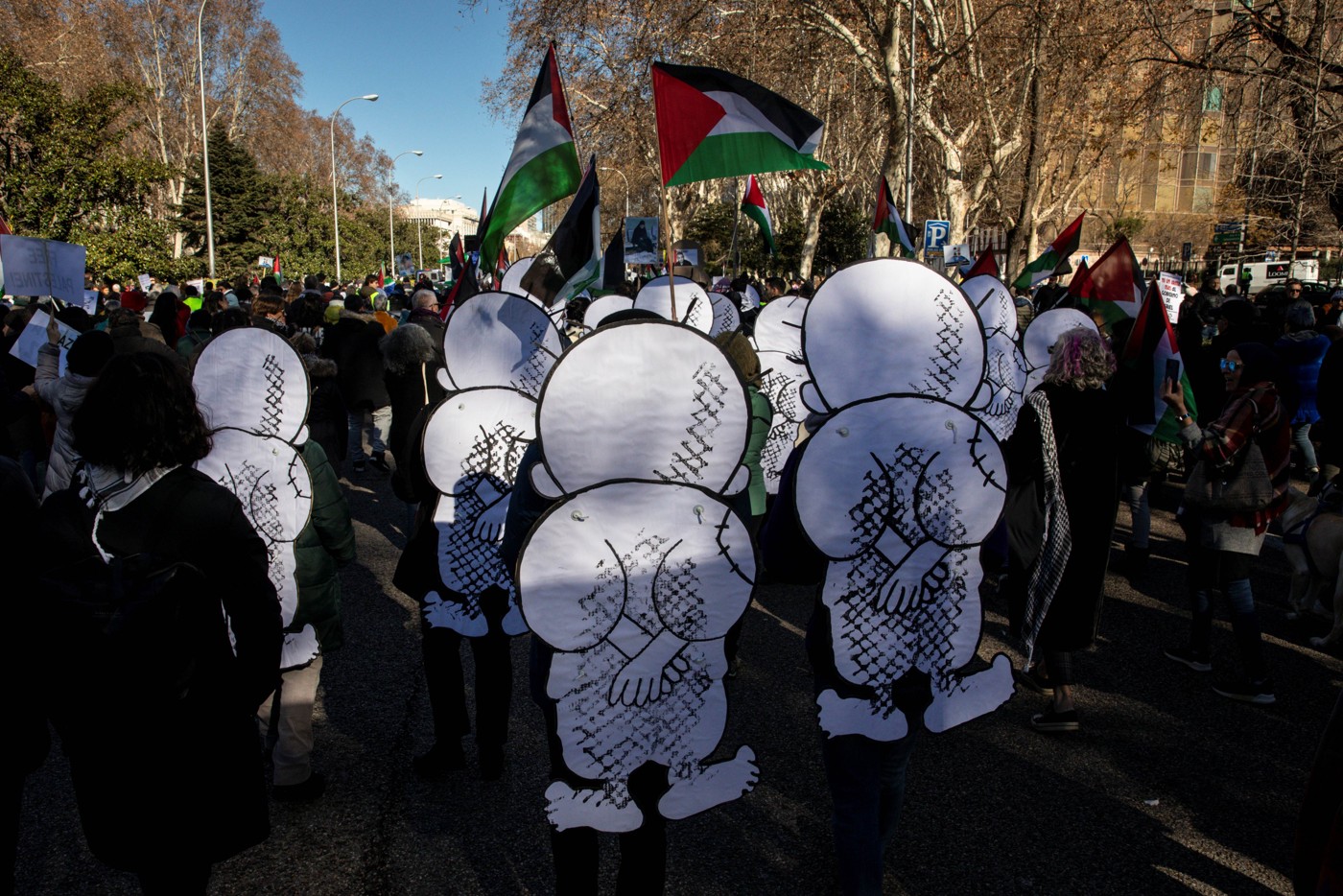
For more than fifty years, this figure - Handala - has appeared on walls, banners, book covers, and jewelry across the world. He is one of the most recognized symbols of Palestinian identity, and almost everyone who carries him knows his name. Fewer know his story.
Who Created Handala?
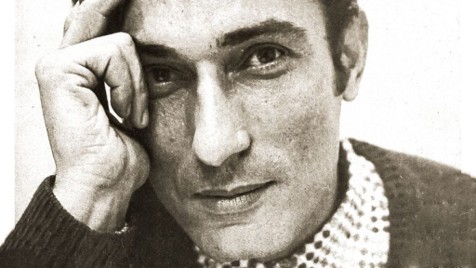
Handala was drawn by Naji al-Ali, a Palestinian cartoonist whose work ran in newspapers across the Arab world. Al-Ali was born in the village of al-Shajara, in the Galilee, and became a refugee as a child in 1948. He spent part of his youth in the Ein El-Hilweh refugee camp - Saida in southern Lebanon - the same community Taawon works alongside today.
He first drew Handala on 5 June 1969, in the Kuwaiti newspaper Al-Seyassah, and the character quickly became his signature. Al-Ali was killed in London in 1987; the case remains unresolved. Handala outlived him, exactly as he intended.
Why the Boy Is Ten Years Old
Handala is drawn as a ten-year-old, the age Naji al-Ali was when his family left Palestine. Al-Ali said the boy would stay ten years old until he could return home. He is not frozen because childhood is sentimental; he is frozen because a specific loss has not been resolved. The age is a date, kept in a drawing.
The Meaning Behind the Name
The name Handala comes from the handhal, the colocynth - a hardy desert plant with a bitter taste and roots that run deep and are difficult to pull up. The choice was deliberate. The plant is bitter, but it is also stubborn, native to the land, and almost impossible to uproot. In a single word, the name carries both the hardship and the rootedness that al-Ali wanted the figure to hold.
Why Handala Faces Away
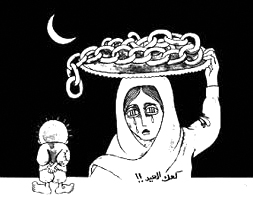
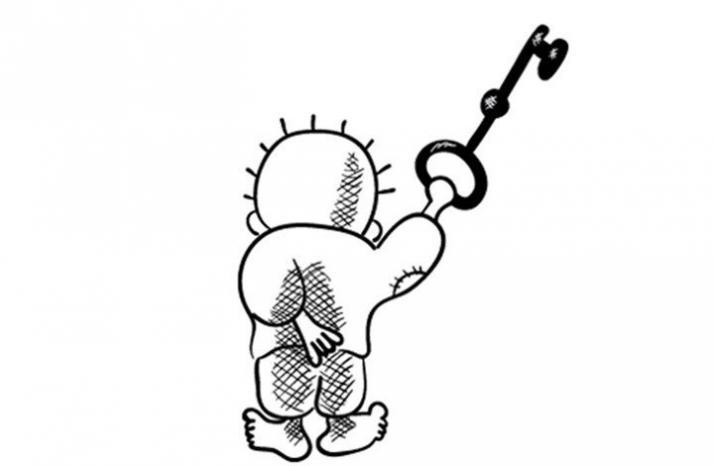
The most striking thing about Handala is what we never see: his face. Al-Ali explained that the boy turned his back as a response to a specific moment, and that he would only turn around - and reveal his face - when he could return to Palestine with dignity. Until then, his back stays to the viewer.
That turned back is doing a lot of work. It refuses to perform. It asks the viewer to stand where Handala stands and look outward at what he is looking at, rather than look at him. It is a quietly radical choice in a visual culture that usually asks a subject to face the camera and be read.
A Symbol Carried Across Generations
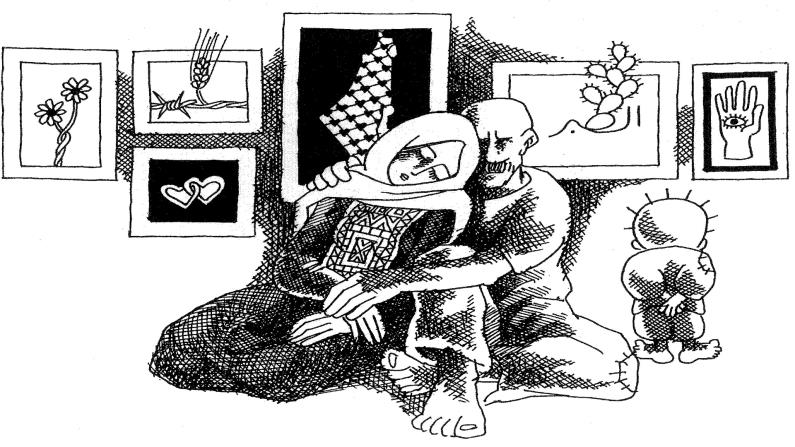
Handala endures because no single movement, party, or decade ever owned him. A grandparent who first saw him in a 1970s newspaper and a teenager who sketches him on a schoolbag today are holding the same figure. He has become a way of passing something down without needing to explain it in full each time.
This is what cultural continuity actually looks like in practice: a form that stays recognizable while the people carrying it change. Identity, in this sense, is not preserved by being kept behind glass. It stays alive because each generation chooses to pick it up again.
Handala and the Work of Continuity
For Palestinian refugee communities in Lebanon, symbols like Handala are not decorative. Where land and legal status have been denied, cultural memory remains transmissible across generations, carried in a drawing, a song, a story told by an elder, a book kept on a library shelf.
At Taawon, we are committed to protecting the cultural and social foundations of dignified life alongside the practical ones. Through music education, camp libraries, and the everyday transmission of heritage between generations, that work runs in the same direction Naji al-Ali pointed: toward a community that authors its own identity, and a future that stays connected to a long and specific past.
Handala still has his back to us. One day, al-Ali promised, he will turn around.